
My cousin called me last spring completely stressed out. He’d been job hunting for two months applied to a dozen places heard back from almost none of them. Then someone at his gym mentioned working at Amazon. He figured it was worth a shot but when he looked up the job listing for the Robotics Warehouse Associate position he had no idea what half of it actually meant.
- What’s a mezzanine?
- Do I need to know how to fix robots?
- Is this even a real warehouse job or something more technical?
- He had real questions and the listing wasn’t exactly helping.
He got the job by the way. And now that he’s been there a few months I’ve been able to get a much clearer picture of what this role actually involves beyond the formal description Amazon posts online. This article is what I’d have told him before he applied.
So What Is a Robotics Warehouse Associate, Really?
Let’s clear something up right away this job does not require you to program repair or understand robotics in any technical sense. You’re not an engineer. The “robotics” part just means the warehouse uses automated systems to move shelves around and your job is to work alongside those systems scanning items, picking orders, packing boxes, and loading trucks.
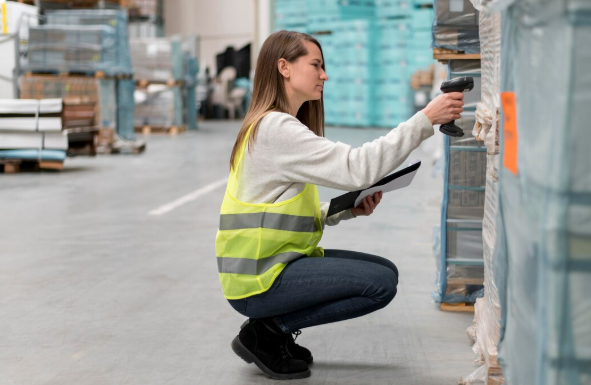
Think of it this way: the robots do the heavy hauling. You do the human parts grabbing the right item, checking quality, making sure the right product ends up in the right box. Amazon’s fulfillment centers are honestly impressive to walk through. The shelving units move on their own rolling up to your station. You scan pick place. It’s repetitive, but it’s not complicated.
“The robots come to you you don’t chase the inventory across a massive floor like in older warehouses. That part actually makes the job easier on your legs.”
The Charlton MA location specifically is one of Amazon’s newer robotics enabled sites. The environment is climate controlled (between 60 and 90°F) which matters a lot if you’ve ever worked in a warehouse that wasn’t. You won’t be freezing in winter or sweating through summer at least not inside.
The Pay Let’s Actually Break It Down
The listing says up to $21.65/hr which sounds good but it needs unpacking. Here’s the real picture:
The shift differential is what gets you to that higher number. Overnight and early morning shifts pay more than daytime which is actually a great deal if you’re a night owl or have daytime obligations. The base $20.50 is your guaranteed floor and the rest stacks on top depending on when you work and how many hours you put in.
The same day pay option is genuinely useful. If you’re in a tight spot between paychecks being able to cash out 75% of that day’s earnings after your shift ends is real flexibility that most jobs don’t offer.
The $110 Zappos shoe credit is provided before your first day not after. Use it to get proper steel toe or composite toe shoes some areas require them and showing up in regular sneakers can create problems with safety compliance on Day 1.

What a Typical Shift Actually Looks Like
Your shift starts with a safety briefing Amazon does this every single day not just during training. It’s quick usually 5 to 10 minutes. Then you head to your station.
Depending on what’s assigned that day you might be
- Stowing taking incoming inventory and placing it into shelving pods (the mobile shelves the robots carry around)
- Picking the robots bring a pod to your station, a screen tells you exactly what item to grab and where it is, you scan it and place it in a tote
- Packing taking picked items and boxing them up for shipment including scanning sizing the box and taping
- Loading moving packed boxes onto delivery trucks. More physical usually involves conveyor belts
Most people rotate between these depending on what the site needs that day. You won’t always do the same task which keeps it from feeling completely monotonous though the work is still repetitive by nature.
There are rate expectations. Amazon tracks how many items you process per hour and there are minimum performance standards. This isn’t a relaxed pace yourself situation the metrics are real. First timers often find the first week tiring just from adjusting to the rhythm but most people get into the flow within two weeks.
⚠ Heads Up
The job requires standing for most of your shift sometimes in one spot. People with back problems or knee issues or those who aren’t used to being on their feet for 8 to 10 hours should think honestly about whether this fits their physical situation. It’s not dangerous work but it is physically demanding especially during peak season (October through January).
Shift Options More Flexibility Than You’d Expect
This is one of the parts that actually surprised me. Amazon offers a pretty wide range of schedule types:
You also get to choose between fixed schedules (same days every week) or flexible schedules. Some shifts offer 3 day weekends which is genuinely popular you work four longer days and get three off. For certain people that trade off is absolutely worth it.

Who This Job Is Actually Good For
Not everyone will love this role and it’s worth being honest about that. Here’s where it genuinely fits:
- People who want stable full time income without needing a degree or prior experience
- Anyone looking for immediate pay with real benefits health coverage, 401(k), and tuition assistance start surprisingly early
- People who prefer physical work to desk work
- Those who want a foothold at a major company Amazon does promote from within and several warehouse leads and managers started in associate roles
- Anyone who can handle routine and repetition without losing their mind the job structure is very consistent
It’s probably not a great fit if you’re hoping for creative work lots of variety or a slow paced environment. Amazon warehouses operate at real production speed.
Benefits That Are Worth Mentioning
Mistakes People Make When Applying
- Not reading the shift options carefully A lot of people click apply without realizing they can actually choose their preferred hours during the application. You pick your shift before submitting don’t just rush through and accept whatever defaults.
- Showing up to orientation in the wrong shoes Amazon gives you that $110 Zappos credit ahead of time for a reason. Closed toe shoes are required. Some areas require actual safety footwear. People who don’t sort this out before Day 1 sometimes can’t work their first shift.
- Underestimating the physical adjustment period The first week is genuinely tiring. Your body isn’t used to standing 8 to 10 hours and moving at production pace. Some people quit in week one because they weren’t prepared for it. Give yourself at least 2–3 weeks before deciding the job isn’t for you.
- Ignoring the rate requirementsPerformance is tracked. If you fall consistently below rate expectations, it affects your standing. Ask a trainer early what the specific rate targets are for your task area — don’t find out the hard way after a written notice.
- Not applying directly through hiring.amazon.comThird party job boards sometimes show outdated or incorrect listings. Always apply through Amazon’s official hiring site to make sure the role and location are still active and the details are accurate.
How the Application Process Actually Works
Amazon has simplified their hiring process more than most people realize. Here’s how it goes:
- Apply at hiring.amazon.com Search for the Charlton MA location (Job ID: JOB-US-0000011614). The site walks you through selecting your shift before you even submit the application.
- Complete the online form Basic information name, work eligibility, whether you meet the physical requirements. No resume required for warehouse associate roles. It’s intentionally beginner friendly.
- Attend an office hours or Pre Hire Event Amazon usually schedules this at or near the facility. It’s less of an interview and more of an informational session with paperwork. Most people who show up get an offer.
- Complete online orientation Before your first physical day, you’ll go through an online orientation covering safety, expectations, and basic procedures. Takes a few hours and is done from home.
- Your first day On the job training begins. You’ll shadow someone and learn your assigned task area. Training schedule may differ from your regular shift temporarily.
The Charlton, MA site is at 53 Sturbridge Road, Charlton, MA 01507. If you’re coming from Worcester, it’s about a 20-minute drive. Public transit options are limited most associates drive or carpool. Factor in commute into your shift selection.
One Thing That Surprises Most New Hires
The thing my cousin mentioned most after his first month wasn’t the robots or the pace it was how structured everything is. Amazon has a process for literally everything. Where to stand, how to scan, when to take breaks, and how to flag an issue with equipment.
For some people, that level of structure feels suffocating. For others especially people who don’t love ambiguity at work it’s actually reassuring. You always know what’s expected. There’s no guessing.
The safety culture is also genuinely serious not performative. People around you will actually call out unsafe behavior, and managers do take it seriously. Given that you’re working around moving robotic equipment, that’s probably a good thing.

Is This Job Worth Applying For Right Now?
For anyone in the Charlton or Worcester area who needs solid full time income without needing a degree prior warehouse experience or technical skills yes this is genuinely worth applying for. The pay is competitive for the region the benefits are real and the hiring process is about as beginner friendly as it gets.
Just go in with realistic expectations. It’s physical, it’s repetitive and there are production standards to meet. It’s not a laid back job. But it’s also not a bad one especially if you’re building toward something bigger whether that’s saving money going to school with tuition support or eventually moving into a team lead or management track inside Amazon.
My cousin is still there, by the way. He picked an overnight shift gets a higher rate and has his mornings free. For where he is right now in life, it fits.