7 Shocking Truths About Amazon vs Walmart Warehouse Jobs (2026 Guide)
Amazon vs Walmart Warehouse Jobs: Which One Should You Actually Pick?
An honest experience based breakdown of pay, shifts, work culture and the things nobody tells you before your first day.
A friend of mine spent three weeks going back and forth between two job applications open on his phone Amazon FC in his city and a Walmart distribution center about 20 minutes further out. Same idea different company. He finally asked me which one he should just go with.
Honestly, I did not have a simple answer at the time. But after digging into both sides talking to people who actually worked these floors reading through forums and tracking what workers say about each I can tell you this. the choice matters more than most beginners think. These are not the same job wearing different uniforms.
So let’s break it down properly. No fluff no sugar coating. Just the real stuff you need to make a smart decision before you submit that application.
Let’s Start with the Paycheck Because That’s Why You’re Here
Both companies pay above federal minimum wage. That part is true. But the details tell a different story depending on where you live and what role you land.
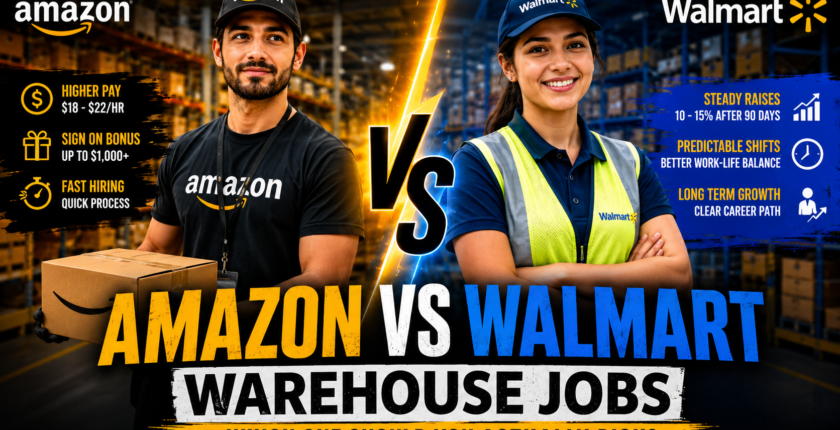
Amazon tends to start a little higher per hour in most markets especially for fulfillment center roles. They are also known to throw in sign on bonuses during peak season (think holiday quarter). But here is what most people do not factor in Amazon’s productivity standards are intense and hitting those numbers every single shift is not easy. Your paycheck looks good on paper. Your body might tell you something different after week two.
Walmart’s distribution centers generally start slightly lower but the pay scales up faster if you stick around. They also have a cleaner path to hourly raises based on tenure and performance reviews less relying on manager favoritism more structured. Some workers at Walmart DCs report actually earning more than Amazon after 6 to 12 months simply because of built in raises and more stable overtime access.
What the Work Actually Feels Like on Day One (and Week Three)
This is the part hiring managers will not tell you at orientation.
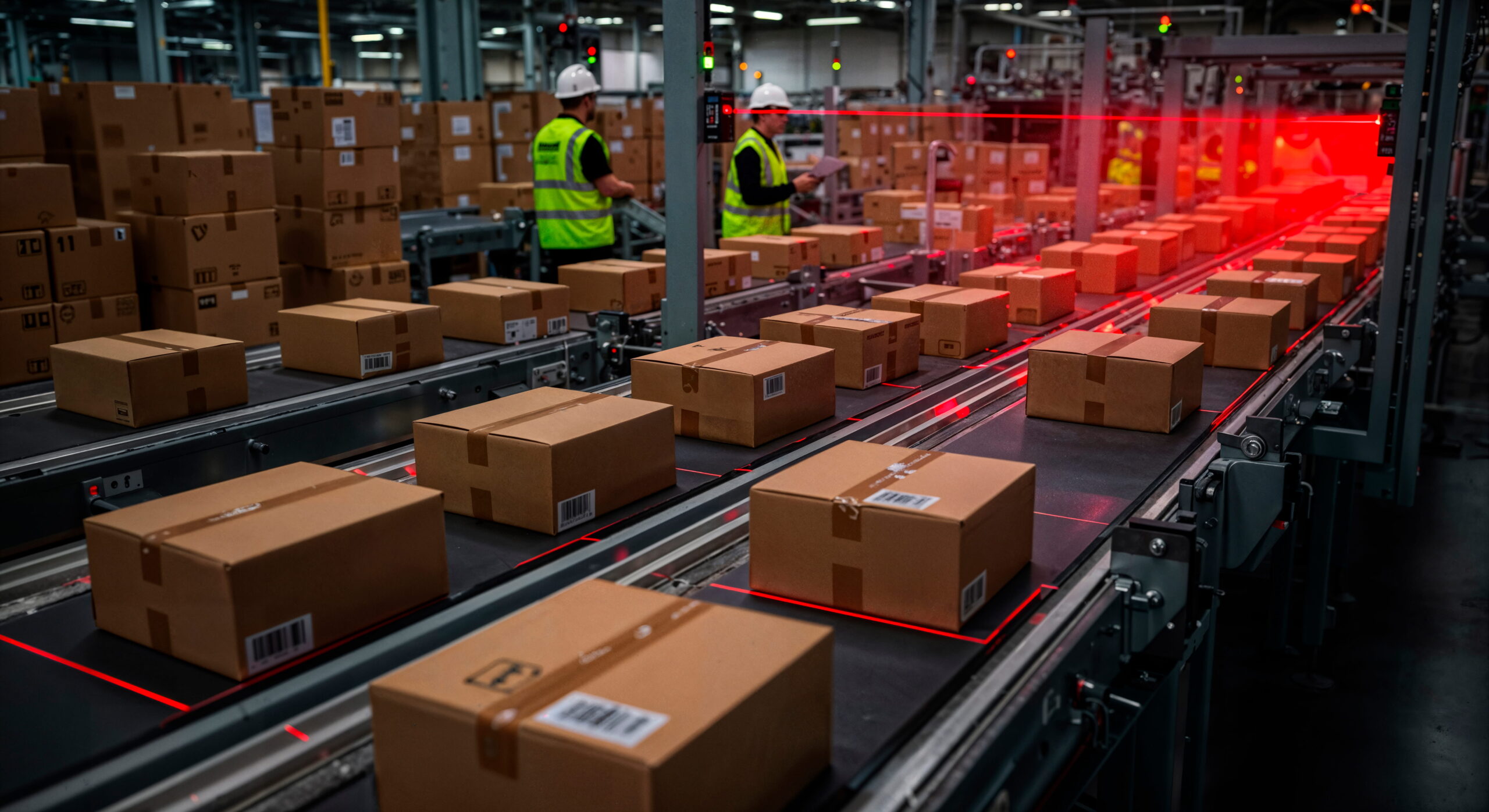
At Amazon the word most people use after their first week is relentless. You are tracked literally. Amazon uses rate metrics to measure how many units you pick, stow or pack per hour. If your rate drops you will hear about it. Not always from a manager shouting at you but through the system. A warning. A coaching note. Most people describe the first few weeks as feeling like they are constantly racing against an invisible clock.
The work itself is physically demanding a lot of walking (some workers log 12 to 15 miles per shift) repetitive lifting and bending. If you are on stowing or picking duty you might spend an 8 hour or 10 hour shift walking the same rows with a cart pulling orders. It is not glamorous. Your feet will feel it. Your lower back will know about it.
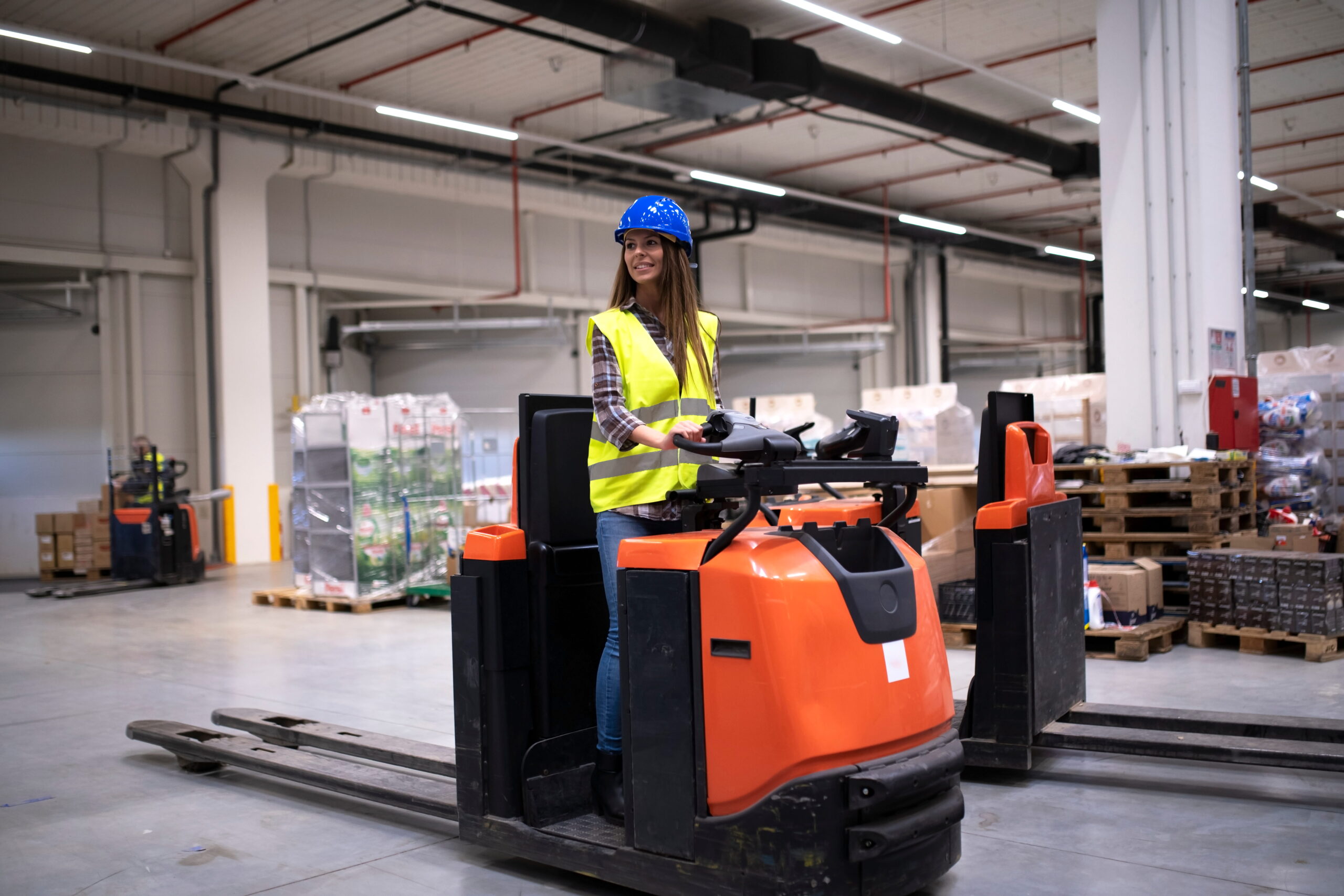
Walmart distribution centers feel different. They are quieter in terms of individual performance pressure. The work is more about moving pallets operating forklifts (once you get certified) and managing freight flow. You still walk a ton still lift still deal with repetitive motions but the constant digital monitoring is less aggressive.
One thing that catches Walmart beginners off guard is the sheer size of the operation. These DCs are massive some over a million square feet. Getting lost your first week is genuinely a thing that happens. And unlike an Amazon FC where you are mostly dealing with small consumer packages at a Walmart DC you could be handling heavy freight, bulk product and full pallets. A different kind of tired.
“Amazon felt like I was in a video game that never paused. Walmart felt more like hard manual labor but at a pace I could actually breathe through.”
Reddit user, r/jobs (paraphrased)
Shift Reality: What Hours You Will Actually Work
Both companies operate 24/7. That means day shifts, night shifts, overnight shifts and weekend rotations are all on the table when you apply. What you get depends on what is available when you are hired and how much choice the site gives you.
Amazon tends to offer more flexible shift structures 4x10s (four 10 hour days) 5x8s and sometimes even part time schedules. This is partly by design since they hire at such volume that they need to fill shifts around the clock. The tradeoff is mandatory overtime is common during peak periods especially Q4 (October through December). Saying no to it can affect your standing.
Walmart DCs are known for more traditional scheduling. Many sites run 3 to 4 day workweeks with longer shifts. Overnight positions are common and often come with a small shift differential (extra pay per hour for working nights). If you have kids a second job or a schedule to work around this matters a lot. Neither company is great at accommodating last-minute schedule changes but Walmart tends to be slightly more predictable week to week.
How Fast Can You Actually Get Hired?
Amazon is one of the fastest hiring companies in the warehouse world. Their application process is almost entirely online through the Amazon Jobs website. You apply pick a site and shift complete a short background check and many people receive a start date within 5 to 10 business days. During peak season this can be even faster. Amazon hires in batches sometimes bringing in hundreds of people in a single week at large FCs.
Walmart’s hiring process for distribution center roles tends to take a bit longer typically 2 to 3 weeks from application to start date. There is often an in person interview (or sometimes a virtual one) a drug test and a background check. The process feels more formal which reflects the culture difference between the two companies. If you need income fast Amazon is the clearer choice. If you have a little runway Walmart’s slightly longer process might be worth the wait.
For both you can apply through their official career pages. Amazon’s is amazon.jobs and Walmart’s is careers.walmart.com. Apply early in the week Monday or Tuesday applications tend to move faster through the queue.

Side by Side: The Honest Comparison
Amazon FC
- + Higher starting pay
- + Faster hiring process
- + Sign on bonuses available
- + Flexible shift options
- – Heavy rate monitoring
- – High turnover culture
- – Intense physical pace
- – Peak season OT pressure
Walmart DC
- + More stable scheduling
- + Forklift cert opportunity
- + Structured raise path
- + Less digital surveillance
- – Slightly lower start pay
- – Longer hiring timeline
- – Larger harder to navigate
- – Fewer urban locations
Neither option is objectively better. It genuinely comes down to what matters to you right now fast income long term stability the type of physical work you prefer or where you are located.
Why People Actually Get Rejected (And It Is Not What You Think)
Most people who get turned down at Amazon or Walmart warehouses are not rejected because of skill gaps. They are rejected for much simpler reasons.
-
1Background check issues even minor ones can flag in their system. Be upfront during the process if you have something on your record. Some sites are more lenient than others but surprises always cause delays or denials.
-
2Drug test failure both companies test. Amazon tests pre hire and Walmart can test post incident. Know your situation before you apply.
-
3Not showing up to orientation this sounds obvious but it is one of the biggest reasons people lose a job offer. Orientation is treated as your first shift. Miss it and you are out.
-
4Physical restrictions during pre screening some roles require standing for full shifts and lifting 50 pounds. If you disclose limitations that conflict with the role requirements on the application you may not advance.
-
5Applying to a fully staffed location Amazon especially will show job listings for sites that are actually on a waitlist. Check the specific site’s hiring status before driving out for an appointment.
Who Should Pick Amazon and Who Should Really Think About Walmart
Pick Amazon if you…
- ✓ Need money fast this week
- ✓ Can handle high pace repetitive work
- ✓ Want flexible part time options
- ✓ Live close to an FC site
- ✓ Are okay with close digital tracking
Pick Walmart if you…
- ✓ Want a long term stable warehouse career
- ✓ Are interested in forklift certification
- ✓ Prefer structured scheduling
- ✓ Can wait 2 to 3 weeks to start
- ✓ Want clearer advancement paths
Avoid Amazon if you…
- ✗ Have chronic back or joint issues
- ✗ Struggle with high pressure pace
- ✗ Need a fixed predictable schedule
- ✗ Dislike being monitored constantly
Avoid Walmart DC if you…
- ✗ Need income immediately this week
- ✗ Cannot commute to suburban DC sites
- ✗ Are not comfortable with heavy freight
- ✗ Want urban or city center locations
The Benefits Situation What You Are Actually Getting
Both Amazon and Walmart offer benefits to full time warehouse workers. The basics are similar: health insurance, dental, vision and 401(k) with company matching. Where they differ is in how quickly those benefits kick in and how generous the coverage actually is.
Amazon starts benefits on day one for full time employees which is genuinely competitive in the warehouse industry. You also get access to their Career Choice program which pre pays tuition for certain vocational programs a real perk if you are thinking beyond the warehouse floor. Their life and disability insurance options are solid as well.
Walmart’s benefits take a bit longer to activate but tend to be considered more comprehensive at higher tenure levels. Their associate discount program combined with healthcare options and PTO that accrues quickly makes it a reasonable long term package. Walmart also recently expanded mental health coverage for associates a sign that they are at least aware of the stress reality their workers deal with.
If you are just looking for a short term gig benefits matter less. If you are thinking 1 to 2 years out they matter a lot. Read our full warehouse benefits comparison guide for a deeper breakdown.
Beginner Mistakes That Will Get You in Trouble Fast
Most new hires walk in with the right attitude but still manage to hurt themselves in the first few weeks not because they are bad workers but because nobody actually prepared them.
Wearing the wrong shoes is probably the most common and most painful mistake. Bring proper steel toe or composite toe boots from day one. Sneakers on a warehouse floor are a liability for your safety and your feet after hour six.
Calling out too early is another one. Both companies have attendance point systems. Amazon’s is notoriously strict some workers report losing their jobs before month three simply from accumulating absences. Walmart has a similar system. Even if you feel like death on day twelve understand the consequences before you call in.
Trying to game the rate at Amazon is something newer workers sometimes attempt working super fast for the first part of a shift to build a buffer then slowing down. The algorithm does not work the way you think. Consistency matters more than bursts. Inconsistent rate patterns can actually flag you for coaching.
And finally not asking about the role specifics during your pre hire process. There is a huge difference between working inbound, outbound, picking, packing and stowing at an Amazon FC. Same at Walmart between a regular associate and a freight flow associate. Ask what your actual job duties will be. Do not assume.
So Which One Is Actually Worth It?
Here is the honest take: if you need work fast and you are physically fit and do not mind being monitored Amazon is a solid short to medium term move. The pay is competitive you can start within days and the structure while intense is clear.
If you are thinking about building something in the warehouse industry getting skilled up with equipment certifications or simply want a job that feels more like a job and less like a sprint Walmart distribution center work is worth the slightly longer wait to get in.
Neither is a forever career for most people. But both are legitimate honest paying work that can bridge gaps build your resume and teach you discipline in ways that other entry level jobs simply do not. The key is going in with real expectations and not the polished version of the job you see on a hiring site.
If you found this breakdown useful check out our guides on how to get a warehouse job with no experience and getting your forklift certification in the USA.